TECHNOLOGY · DIGITAL MARKETING
Updated moderation system in easywhite: What has changed and how it impacts affiliates
The landscape of traffic arbitrage is constantly evolving, and compliance mechanisms must adapt accordingly to keep pace with platform requirements.
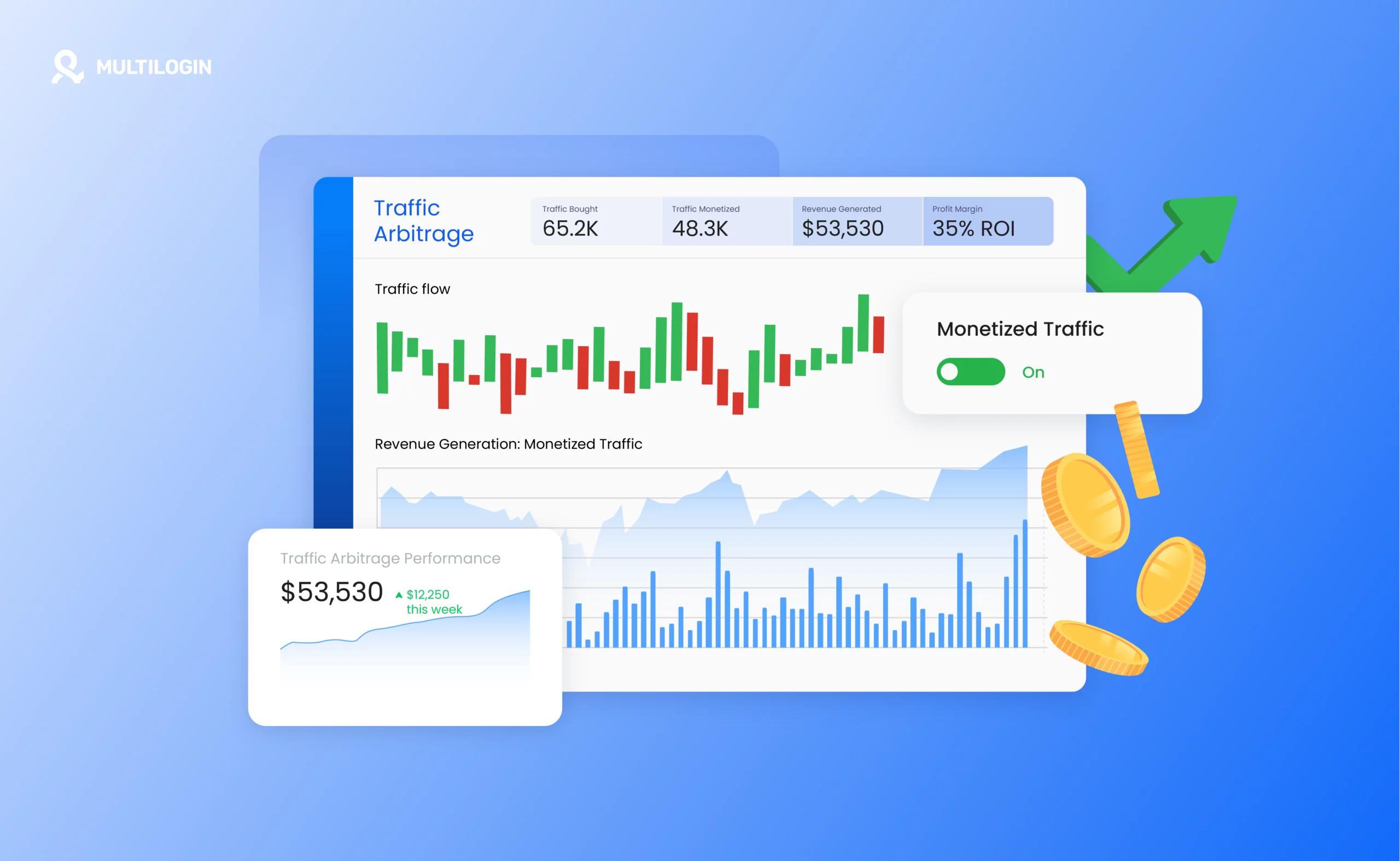
The team at easywhite has recently rolled out a significantly updated moderation system designed to streamline the approval process, reduce downtime, and provide affiliates with more transparent feedback.
This comprehensive breakdown explores the core modifications, the reasoning behind them, and how media buyers can adjust their daily workflows to maximize efficiency under the new rules.
Why the update was necessary
As advertising platforms continuously tighten their policies, the old moderation frameworks often struggled to process the increasing volume of complex traffic setups. Affiliates frequently experienced delays, ambiguous rejection reasons, and bottlenecks when scaling their campaigns.
The primary objective behind this overhaul was to create a more intelligent, automated, and transparent system. By integrating advanced behavioral analysis and updating the core verification algorithms, the new framework aims to drastically reduce the time between submission and approval, ensuring that high-quality traffic flows without unnecessary interruptions.
What exactly has been modified
The new moderation engine introduces several critical changes that directly affect how campaigns are evaluated.
Automated pre-checks
Before a campaign even reaches a human moderator, the system now runs a series of automated pre-checks. This includes verifying the technical setup, checking for broken links, analyzing the pre-landing page structure, and ensuring that the cloaking logic is functioning correctly. This immediate feedback loop allows affiliates to fix minor technical errors on their own, significantly speeding up the overall process.
Enhanced cloaking verification
The algorithms evaluating the cloaking setup have been completely rewritten. The system now simulates the behavior of modern advertising platform bots more accurately, checking not just the IP addresses and user agents, but also analyzing browser fingerprints, screen resolutions, and canvas data. This ensures that the safe page and the target page are perfectly aligned with the platform's actual scanning mechanisms.
Clearer rejection feedback
One of the most requested features from the affiliate community was more detailed feedback on rejected campaigns. The updated system now provides specific, actionable reasons for rejection. Instead of a generic “failed moderation” message, affiliates will now see exactly which element triggered the flag—whether it is a specific line of code, a suspicious redirect, or a mismatch in the geo-targeting settings.
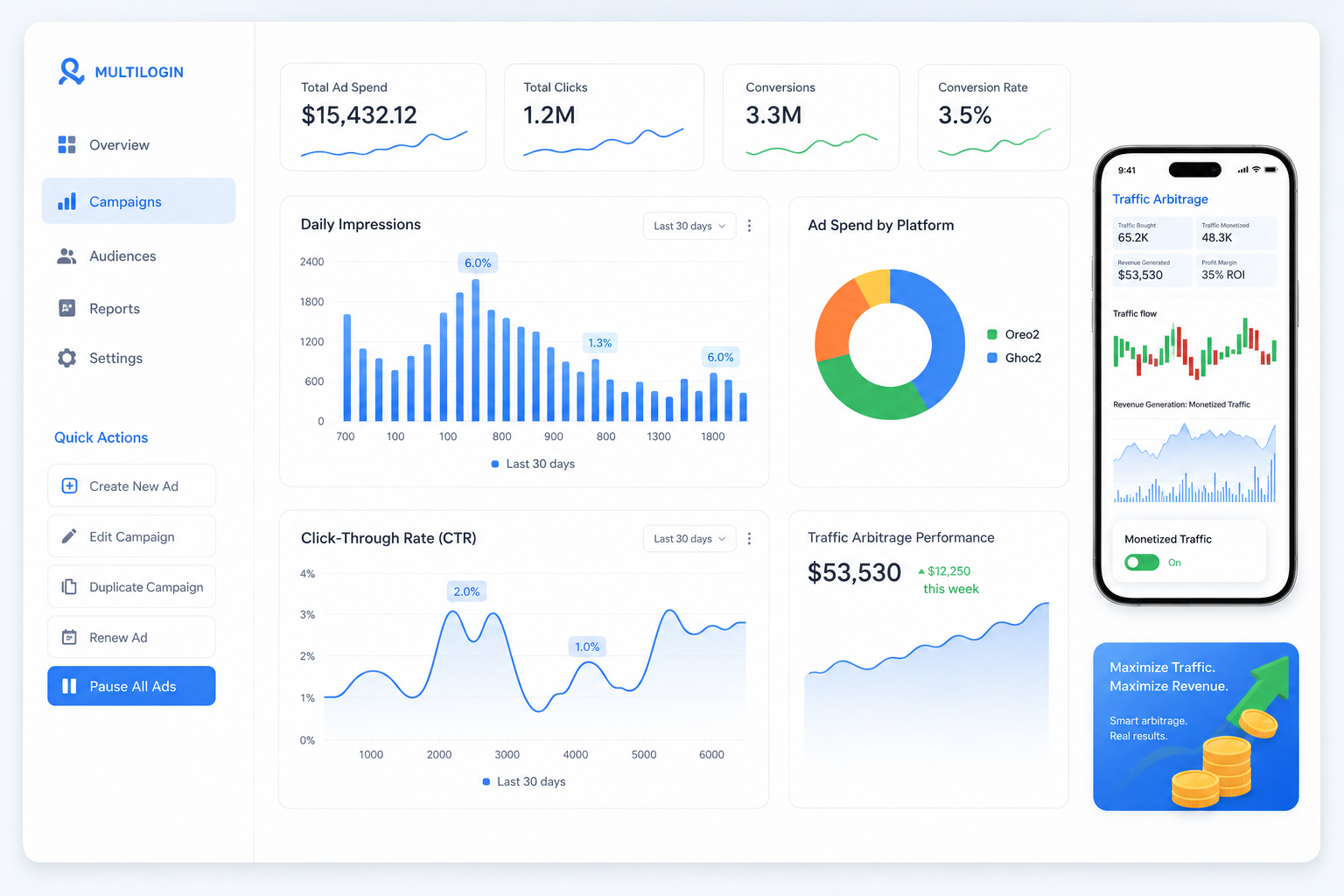
How this impacts the daily workflow
For media buyers and technical specialists, these changes require a slight shift in how campaigns are prepared and submitted.
Focus on technical perfection
Since the automated pre-checks are highly sensitive to technical inaccuracies, it is crucial to ensure that all tracking links, redirects, and domain configurations are flawless before submission. A single misconfigured rule can now trigger an automatic rejection, whereas previously it might have been overlooked or caught later in the manual review stage.
Upgrading visual and document assets
As moderation systems become more sophisticated, the quality and authenticity of the visual assets presented on pre-landing pages and verification documents play a larger role in the approval process. To ensure high-quality submissions that easily pass the new checks, teams often need realistic visual examples. For content creators and media buyers, platforms offering PSD templates, editable PSD files, service invoice templates can provide useful design resources for creating informative pre-landing pages, financial content, comparison pages, and visual guides that meet the highest compliance standards.
Faster scaling capabilities
On the positive side, once a campaign passes the new automated pre-checks, the manual moderation phase is significantly faster. This means that affiliates who maintain high technical standards can scale their approved campaigns much more rapidly, moving from testing to full-volume traffic without waiting days for manual reviews.
Key takeaways for affiliates
The updated moderation system in easywhite represents a significant step forward in balancing strict compliance with operational speed. While the initial technical requirements for submission are higher, the long-term benefits include faster approvals, clearer communication, and a more stable environment for scaling campaigns.
Affiliates who invest time in understanding the new automated pre-checks and ensuring their technical setups are flawless will find that the new system works heavily in their favor. By adapting to these changes and utilizing high-quality, authentic visual assets, media buyers can navigate the modern compliance landscape with confidence and keep their profitable traffic flowing smoothly.